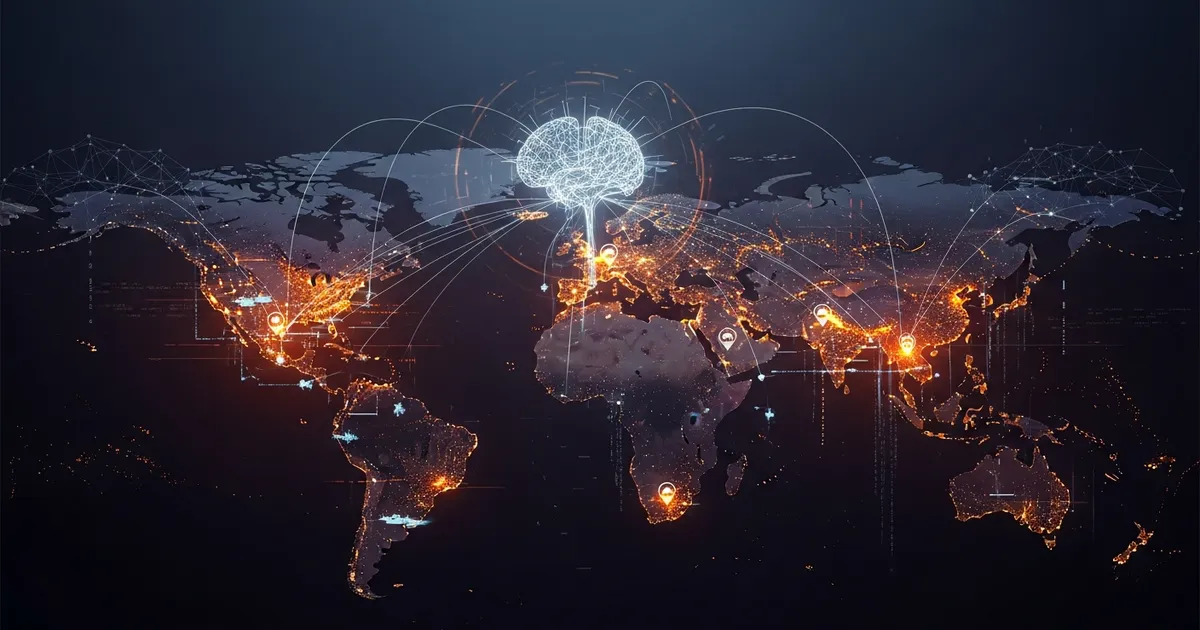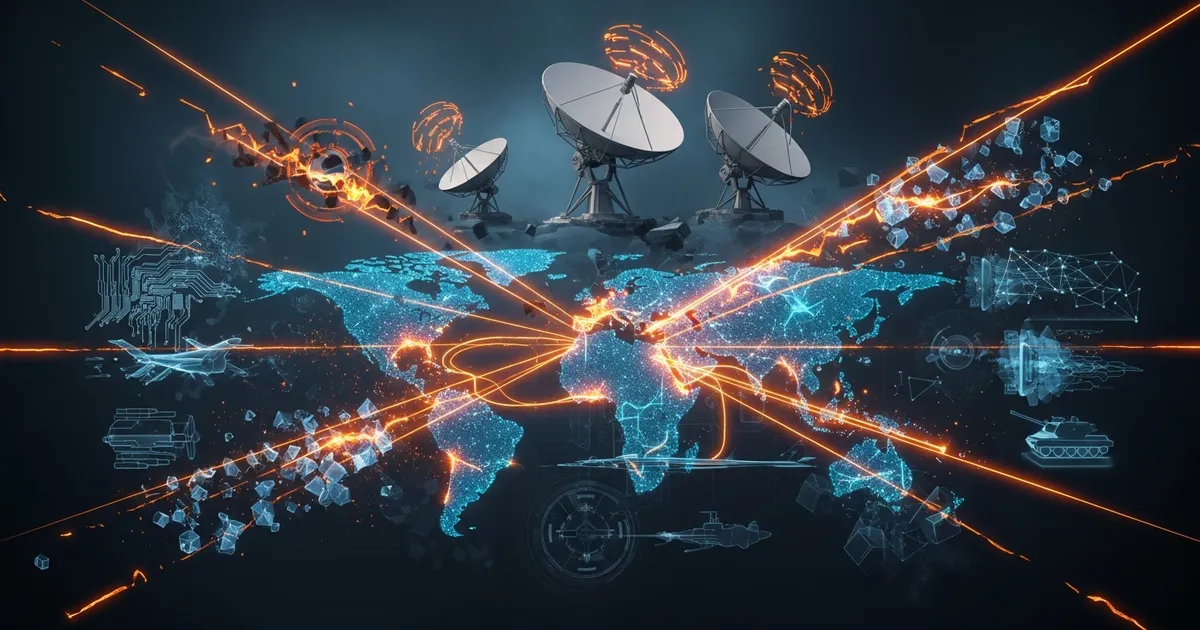
Geopolitical tensions fuel a shadow war in cyberspace
Recent intelligence reports highlighting Iran's posture in the Strait of Hormuz underscore a persistent geopolitical reality. While headlines often focus on naval patrols and the potential for physical disruption to one of the world's most critical shipping lanes, a parallel and less visible conflict is continuously waged in cyberspace. The tensions in the strait suggest that for warships navigating the waterway, there may be parallel efforts by state-sponsored hacking groups to probe the digital defenses of the companies that own, manage, and rely on those vessels. The physical chokehold is mirrored by a digital one, where advanced persistent threat (APT) groups associated with nation-states can leverage cyber operations as a powerful instrument of statecraft, retaliation, and espionage.
This analysis moves beyond the naval theater to examine the cyber dimension of these tensions. A nation-state like Iran can cultivate a sophisticated ecosystem of cyber actors who specialize in targeting critical infrastructure, with a particular focus on the maritime, energy, and government sectors of its adversaries. These operations are not random; they are a calculated extension of foreign policy, designed to project power, gather intelligence, and hold Western and regional rivals' economies at risk without firing a single shot. Understanding these digital TTPs—tactics, techniques, and procedures—is essential for any organization connected to the global supply chain.
The mechanics of a nation-state attack
State-sponsored cyber operations are often characterized by their persistence and their increasingly destructive capabilities. Several distinct groups, tracked by the cybersecurity community, execute these campaigns, each with preferred tools and targets. Advisories from agencies like the U.S. Cybersecurity and Infrastructure Security Agency (CISA) have detailed the activities of various state-sponsored groups that are at the forefront of such efforts.
Their attack lifecycle often follows a recognizable pattern:
- Initial Access: Phishing remains a primary vector. Attackers craft convincing spear-phishing emails, often impersonating trusted entities, to trick employees into revealing credentials or executing malicious attachments. They have also demonstrated proficiency in exploiting known vulnerabilities in public-facing infrastructure, such as unpatched VPN servers and web applications. This allows them to gain an initial foothold inside a target network.
- Reconnaissance and Lateral Movement: Once inside, the operators engage in what is known as “living off the land.” They use legitimate system administration tools already present in the network, such as PowerShell and Windows Management Instrumentation (WMI), to move laterally and escalate privileges. This technique helps them evade detection by blending in with normal network traffic, making their activity difficult to distinguish from benign administrative tasks.
- Malware Deployment: The ultimate objective dictates the payload. For espionage, threat groups deploy custom backdoors and information stealers to exfiltrate sensitive data over long periods. For disruptive or destructive attacks, some groups are infamous for using wiper malware. A notorious example of this was seen in a devastating 2012 attack against a major energy company. Such malware doesn’t just encrypt data for ransom; it overwrites the master boot record and files with junk data, rendering tens of thousands of computers completely inoperable and causing massive business disruption.
- Targeting Operational Technology (OT): A deeply concerning trend is the increased focus on industrial control systems (ICS) and OT networks. These are the systems that manage physical processes in ports, refineries, and pipelines. A successful attack here could move from the digital to the physical realm, potentially manipulating safety systems, disrupting shipping logistics by targeting port management software, or even causing physical damage to energy infrastructure.
Impact assessment: A ripple effect on global trade
The impact of these cyber operations extends far beyond the initially targeted organization. The interconnected nature of the global maritime and energy sectors means a successful attack can have cascading consequences.
Who is affected?
- Maritime and Shipping Companies: These organizations are prime targets for both espionage (to gain insight into shipping routes and cargo) and disruption. An attack on a major shipping line could paralyze logistics, as seen in the 2017 NotPetya attack on Maersk (though not attributed to Iran, it serves as a powerful example of the potential impact).
- Oil and Gas Sector: Energy producers, especially in the Middle East, are perennial targets for destructive cyber tools. The goal is often economic sabotage and retaliation for political pressures like international sanctions.
- Port Authorities and Terminal Operators: By targeting the software that manages crane operations, container logistics, and vessel scheduling, attackers could create chaos at major global ports, effectively blocking physical trade.
- Government Agencies: Government agencies are consistently targeted for intelligence gathering to inform strategic decision-making.
How to protect yourself
Defending against a determined nation-state actor is a formidable challenge, but organizations can take concrete steps to significantly improve their defensive posture. This requires moving beyond basic compliance and adopting a proactive, threat-informed defense strategy.
- Network Segmentation: The most critical step for any organization with industrial operations is to strictly segment IT networks from OT networks. An air gap is the ideal, but where connectivity is required, it must be protected by a demilitarized zone (DMZ) with multiple layers of security controls. An attacker's presence on the corporate email server should never allow them to access the systems controlling a pipeline's pressure valves.
- Aggressive Patch Management: Nation-state actors frequently exploit older, known vulnerabilities. Organizations must have a rigorous process for identifying and patching vulnerabilities in internet-facing systems, especially VPNs, firewalls, and web applications, within hours or days, not weeks.
- Strengthen Identity and Access Management: Implement multi-factor authentication (MFA) across all remote access points, administrative accounts, and critical applications. This single measure makes it substantially harder for attackers to leverage stolen credentials. Ensure principles of least privilege are enforced, so users only have access to the data and systems they absolutely need.
- Proactive Threat Hunting: Do not wait for an alert. Use threat intelligence feeds focused on relevant nation-state actor TTPs to actively hunt for signs of compromise within your network. Security teams should be looking for unusual use of PowerShell, suspicious remote logins, and data being staged for exfiltration.
- Secure Remote Connections: With a distributed workforce, ensuring all connections to the corporate network are secure is paramount. Using a trusted VPN service with strong encryption protocols helps protect data in transit and can mask a user's true location, adding a layer of protection against targeted attacks.
- Develop a Resiliency Plan: Assume a breach will happen. Your incident response plan must include specific playbooks for destructive wiper attacks. This involves having offline, immutable backups that can be restored quickly to minimize downtime. Test this plan regularly.
As long as tensions simmer in the Strait of Hormuz and other geopolitical flashpoints, Iran will continue to use its cyber capabilities as a primary tool of state power. The battle for control is not just about naval dominance but also about defending the critical digital infrastructure that underpins the global economy.