A Coordinated Collapse or a Technical Glitch?
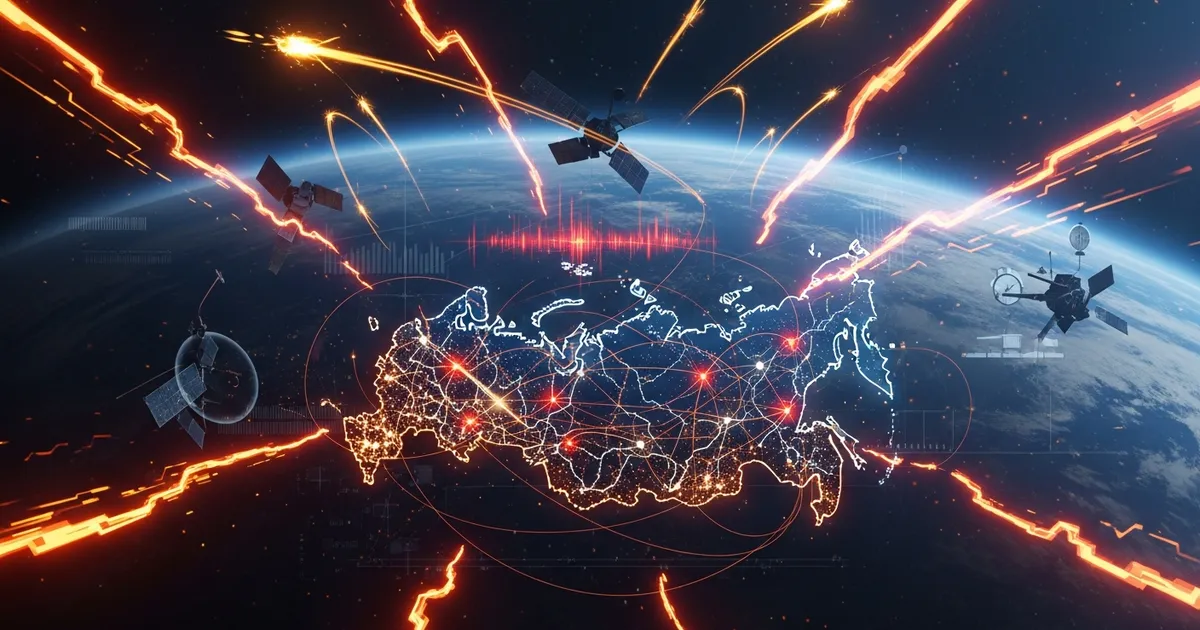
On Friday, February 9, 2024, a significant and widespread disruption rippled through Russia's digital infrastructure, leaving millions of citizens unable to access essential financial services and pay for public transportation. The outage simultaneously affected the mobile applications of the nation's largest banks—including Sberbank, VTB, Alfa-Bank, T-Bank (formerly Tinkoff), and Gazprombank—and crippled payment systems in metro networks across major cities like Moscow and Kazan. While official statements from the affected entities quickly attributed the chaos to "technical reasons," the incident's scale and timing, set against the backdrop of an ongoing cyberwar, have fueled speculation about a more deliberate cause.
Technical Details of the Disruption
Beginning around midday Moscow time, user reports flooded social media and outage-tracking services. Customers were met with login errors, frozen screens, and failed transactions when attempting to use their banking apps. The disruption extended beyond mobile applications, impacting QR code payments and some point-of-sale terminals, effectively severing a primary artery of daily commerce for many Russians. Simultaneously, commuters in the Moscow Metro found themselves unable to pay for fares using bank cards, QR codes, or the "Face Pay" biometric system, as confirmed by the city's Department of Transport, which cited a "technical failure of the payment system equipment."
Officially, no specific Indicators of Compromise (IOCs) or Common Vulnerabilities and Exposures (CVEs) have been linked to the event. The narrative from Russian authorities and the banks themselves has been consistent: this was an internal, technical matter. Sberbank and VTB both acknowledged "temporary difficulties" due to "technical reasons," while T-Bank initially pointed to "issues on the side of partners" before confirming a "brief technical failure" on its end.
This official explanation, however, lacks technical depth. A "technical failure" of this magnitude could stem from several sources:
- Cascading Infrastructure Failure: A critical failure in a shared service provider, such as a major data center or a core network switch, could have a domino effect on multiple, seemingly disconnected services that rely on it.
- Software Deployment Error: A botched update or configuration change pushed to a core system could have unforeseen consequences that bring down dependent applications.
- System Overload: An unexpected surge in traffic, legitimate or not, could overwhelm servers and network capacity, leading to a denial of service.
While plausible, the simultaneous failure across multiple, independent banking institutions and municipal transport systems makes a simple, coincidental glitch less likely. This has led many analysts to consider the possibility of a coordinated cyberattack, most likely a large-scale Distributed Denial of Service (DDoS) attack. In a DDoS attack, threat actors overwhelm a target's servers with a flood of malicious traffic, rendering them unable to respond to legitimate user requests. Such an attack would produce symptoms identical to a "system overload" and could be conveniently labeled a "technical issue" by officials wishing to avoid admitting to a successful security breach.
Impact Assessment: A Nation on Pause
The immediate impact of the outage was felt by millions of ordinary Russian citizens. In a society that has rapidly adopted digital payments, the inability to access funds, pay bills, or even commute to work creates significant personal and economic disruption. For several hours, a core component of the country's consumer economy was effectively frozen.
The affected institutions represent the bedrock of the Russian financial system. Sberbank and VTB are state-owned giants, and together with Alfa-Bank and T-Bank, they serve a vast majority of the population. An outage of this scale, even if brief, has several serious implications:
- Erosion of Public Trust: The incident undermines confidence in the reliability and resilience of the nation's digital infrastructure. When essential services fail en masse, it raises questions about their underlying security and stability.
- Economic Disruption: While the direct financial loss from a few hours of downtime may be contained, the event highlights a critical vulnerability. Frequent or prolonged outages could have a more substantial impact on economic activity.
- National Security Concerns: In the context of the ongoing war in Ukraine, the ability of an adversary to disrupt critical civilian infrastructure is a significant national security concern. Since February 2022, pro-Ukrainian hacktivist groups like the IT Army of Ukraine have relentlessly targeted Russian state and financial entities with DDoS attacks. In May 2022, Sberbank itself reported fending off what it called an "unprecedented" DDoS attack. This recent outage fits neatly into that established pattern of cyber conflict.
The official downplaying of the event as a technical glitch is a common state-level strategy. Admitting to a successful, large-scale cyberattack can be seen as a sign of weakness, potentially causing public panic and inviting further attacks. By controlling the narrative, authorities aim to project an image of stability and control, regardless of the root cause.
How to Protect Yourself
While users cannot prevent a large-scale service outage, they can take steps to mitigate the personal impact and enhance their overall digital security posture. The core principle is building resilience through redundancy and good security hygiene.
- Diversify Your Payment Methods: This incident is a stark reminder of the risks of relying on a single digital platform. Always have alternative payment methods available. Carry a physical debit or credit card from a different bank, and keep a reasonable amount of cash on hand for emergencies.
- Beware of Post-Outage Phishing: Threat actors often exploit confusion following major incidents. Be extremely wary of emails or text messages claiming to be from your bank regarding the outage. These messages may ask you to click a link and enter your credentials to "restore your account." Your bank will never ask for your password or full credentials via email.
- Strengthen Account Security: Ensure every financial account is protected with a strong, unique password and, most importantly, two-factor authentication (2FA). While 2FA would not have helped you access your account during the outage, it is the single most effective defense against an attacker trying to take it over.
- Secure Your Digital Footprint: In times of heightened cyber activity, safeguarding your personal data and online communications becomes even more important. Using tools that provide robust encryption can help protect your internet traffic from snooping, especially when using public Wi-Fi networks.
Ultimately, the February 9 outage serves as a critical data point in the analysis of Russia's digital sovereignty and its vulnerability in the ongoing hybrid war. Whether it was a coincidental technical failure of staggering proportions or a well-executed, unattributed cyberattack, the event demonstrated the profound fragility of the interconnected systems that underpin modern life.