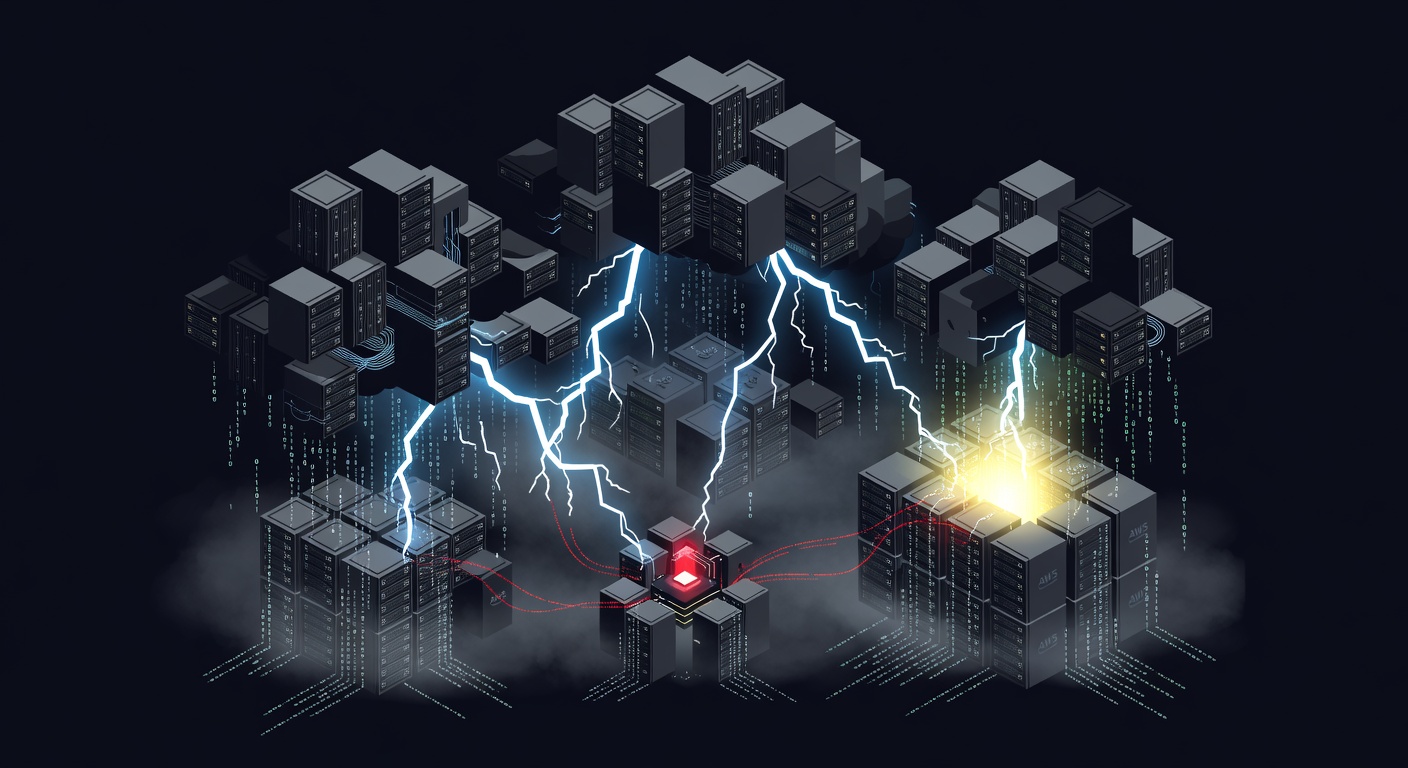
Brussels on high alert after cloud infrastructure compromised
The European Commission, the executive branch of the European Union, has launched an investigation into a security breach after an unauthorized actor gained access to its Amazon cloud infrastructure. The incident, which came to light in late May 2024, has put the EU’s cybersecurity posture under scrutiny and highlights the persistent threats facing high-profile government institutions.
According to initial reports, the Commission became aware of the intrusion and immediately engaged its internal security teams, along with the Computer Emergency Response Team for the EU's institutions, bodies, and agencies (CERT-EU), to assess the scope and impact of the breach. While official details remain sparse as the investigation proceeds, the event serves as a critical reminder of the complexities and risks associated with securing vast cloud environments, even for one of the world's most significant political entities.
Technical deep dive: Probable attack vectors
The European Commission has not publicly disclosed specific Indicators of Compromise (IOCs) or the exact techniques used by the attacker. This is standard procedure during an active incident response to avoid compromising forensic efforts. However, based on the nature of the target—a large-scale AWS environment—we can analyze the most likely pathways an adversary might have exploited.
1. Compromised credentials and identity management failures
The most common entry point into cloud environments is often the simplest: stolen credentials. Attackers could have used phishing campaigns targeting Commission employees or contractors with access to the AWS console. A successful phish could yield usernames, passwords, and even multi-factor authentication (MFA) codes through adversary-in-the-middle (AitM) techniques. Another possibility is credential stuffing, where previously breached passwords from other services are tried against Commission accounts.
Once inside, the attacker's capabilities would depend on the permissions of the compromised account. A breach of a highly privileged Identity and Access Management (IAM) user or role could grant sweeping access to create, modify, or delete resources and exfiltrate data across multiple services.
2. Cloud service misconfigurations
The shared responsibility model is a core concept of cloud security. While Amazon secures the underlying infrastructure (the security *of* the cloud), the customer—in this case, the European Commission—is responsible for securing what they put *in* the cloud. Misconfigurations are a leading cause of cloud breaches.
Potential misconfigurations include:
- Public S3 Buckets: Accidentally leaving Amazon S3 storage buckets publicly accessible could expose sensitive documents, backups, or application data.
- Overly Permissive IAM Roles: Assigning excessive permissions to users or services (violating the principle of least privilege) can turn a minor compromise into a catastrophic one.
- Exposed Network Ports: Misconfigured security groups (acting as virtual firewalls) could leave ports for services like SSH or RDP open to the internet, inviting brute-force attacks against EC2 instances.
- Unsecured Snapshots or Databases: Publicly exposed database snapshots (e.g., RDS snapshots) can contain a complete copy of a database's contents.
3. Vulnerabilities in deployed applications
The Commission runs numerous applications and services within its AWS environment. A vulnerability in a third-party or custom-developed application, such as a SQL injection or remote code execution (RCE) flaw, could have provided the initial foothold. From there, an attacker could attempt to move laterally within the cloud network, escalating privileges to gain deeper access.
Impact assessment: A breach with geopolitical implications
The full impact of this breach is still being determined, but the potential consequences are significant. The European Commission handles a vast amount of sensitive information, and the severity depends entirely on what data the attacker accessed.
Affected Parties: The primary victim is the European Commission itself. However, depending on the data compromised, the impact could extend to member states, partner organizations, and EU citizens. If personal data was accessed, the incident would fall under the purview of the General Data Protection Regulation (GDPR), creating a complex legal and regulatory situation for the very body that champions the legislation.
Severity and Potential Consequences:
- Espionage and Intelligence Gathering: If orchestrated by a state-sponsored actor, the primary goal was likely intelligence. Access to internal policy documents, trade negotiation strategies, diplomatic communications, or sanction plans could provide a significant strategic advantage to a foreign power.
- Data Exfiltration: The theft of personally identifiable information (PII) of EU employees or citizens could lead to identity theft and fraud. The leak of confidential institutional data could undermine political processes.
- Operational Disruption: While there are no reports of service disruption, a sufficiently deep compromise could allow an attacker to delete resources or sabotage critical IT systems, hampering the Commission's operations.
- Reputational Damage: A security failure at this level can erode public trust in the EU's ability to safeguard its own data, potentially weakening its authority on cybersecurity and data privacy matters globally.
This incident follows a pattern of cyberattacks targeting EU bodies, including a major attack in 2021 and the 2020 breach of the European Medicines Agency (EMA), where COVID-19 vaccine data was stolen. It underscores that EU institutions are a persistent, high-value target for sophisticated threat actors.
How to protect yourself: Lessons for every organization
While the European Commission has immense resources, the principles of good cloud security are universal. This breach offers valuable lessons for organizations of all sizes operating in the cloud.
For organizations and IT security teams:
- Enforce Strict Identity and Access Management (IAM): Implement the principle of least privilege. Users and services should only have the permissions absolutely necessary to perform their functions. Regularly review and prune these permissions.
- Mandate Multi-Factor Authentication (MFA): Require phishing-resistant MFA for all users, especially for privileged accounts accessing cloud management consoles. This is one of the most effective single controls to prevent account takeovers.
- Automate Configuration Auditing: Use Cloud Security Posture Management (CSPM) tools to continuously scan your cloud environment for misconfigurations like public S3 buckets or overly permissive security groups.
- Implement Comprehensive Logging and Monitoring: Enable and centralize logs from services like AWS CloudTrail, VPC Flow Logs, and DNS logs. Use threat detection services like Amazon GuardDuty to alert on suspicious activity in near real-time.
- Secure Data with Encryption: Ensure all sensitive data is protected with strong encryption, both at rest in services like S3 and RDS, and in transit using TLS.
For individuals and employees:
- Be Vigilant Against Phishing: Treat unsolicited emails with suspicion, especially those that create a sense of urgency or ask for credentials. Verify requests through a separate communication channel.
- Use Strong, Unique Passwords: Employ a password manager to generate and store complex passwords for every service. Never reuse passwords across professional and personal accounts.
- Protect Your Online Privacy: For an additional layer of security on public networks and to protect your browsing activity from prying eyes, consider using a reputable VPN service.
The investigation into the European Commission breach will undoubtedly reveal more in the coming weeks. For now, it stands as a stark reminder that in the cloud, security is a continuous process of vigilance, not a one-time setup.