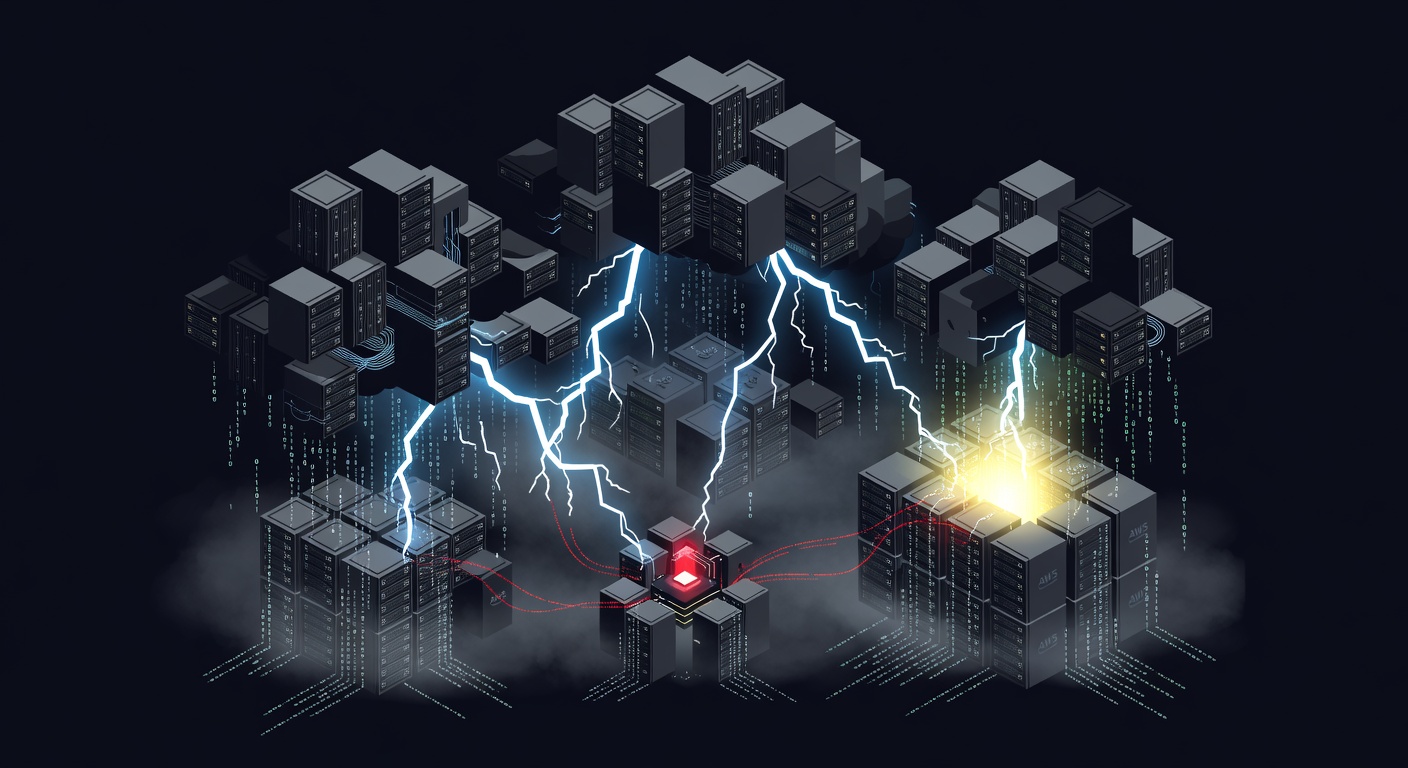
UNC6426 Exploits nx npm Supply-Chain Attack to Gain AWS Admin Access in 72 Hours
Published by NewsNukem Cybersecurity Team
A sophisticated threat actor known as UNC6426 has demonstrated the devastating potential of supply chain attacks by leveraging stolen credentials from the nx npm package compromise to achieve complete cloud environment infiltration within just 72 hours. This incident serves as a stark reminder of how quickly threat actors can escalate from initial access to complete organizational compromise.
Background: The nx npm Supply Chain Compromise
The attack traces its origins to a supply chain compromise of the nx npm package, a popular development tool used by thousands of organizations for building scalable applications. Supply chain attacks have become increasingly prevalent, targeting the software development ecosystem where a single compromised package can affect countless downstream users.
The nx package is a popular development tool used for building scalable applications. Its wide adoption represents a high-value target for threat actors seeking broad organizational access. The compromise of such widely-used development tools creates a ripple effect, potentially impacting every organization that relies on them.
Technical Analysis: The 72-Hour Breach Timeline
According to security researchers, UNC6426's attack methodology demonstrates sophisticated planning and execution. The threat actor began by exploiting credentials stolen during the nx npm package compromise, specifically targeting a developer's GitHub token. Using this initial access, the threat actor was able to achieve a complete breach of the victim's cloud environment within 72 hours.
The speed of this escalation highlights several critical vulnerabilities in modern cloud security architectures. UNC6426 leveraged the inherent trust relationships between development tools, version control systems, and cloud infrastructure to bypass traditional security controls.
Attack Vector Deep Dive
The GitHub token theft represents a particularly insidious attack vector because these tokens often carry extensive permissions across multiple repositories and integrated services. Modern development workflows typically involve continuous integration/continuous deployment (CI/CD) pipelines that require broad access to cloud resources for automated deployments.
UNC6426 exploited this trust relationship by using the stolen GitHub token to gain unauthorized access to the cloud and steal data. This approach leverages the permissions granted to the developer's credentials to infiltrate the cloud environment.
This attack methodology is particularly concerning because it exploits legitimate business processes and trusted relationships, making detection significantly more challenging.
Real-World Impact and Implications
The UNC6426 incident demonstrates several critical implications for modern organizations:
Supply Chain Vulnerability Amplification: The compromise of a single npm package created a pathway for attackers to access numerous downstream organizations. This multiplier effect means that organizations may be compromised through dependencies they weren't even aware posed a risk.
Cloud Security Architecture Weaknesses: The rapid escalation to administrative access reveals fundamental flaws in how organizations architect their cloud security. Many organizations operate under the assumption that their development tools and CI/CD pipelines are inherently trusted, leading to overprivileged access patterns.
Detection and Response Challenges: The use of legitimate credentials and tools makes this type of attack particularly difficult to detect using traditional security monitoring approaches. The activities appear legitimate until the final stages of data exfiltration.
Business Continuity Threats: Complete administrative access to cloud environments can result in service disruption, data destruction, and long-term business impact extending far beyond the initial data theft.
How to Protect Yourself
Organizations can implement several protective measures to mitigate similar attacks:
Supply Chain Security:
- Implement comprehensive Software Composition Analysis (SCA) tools to monitor all dependencies
- Establish package verification and signing processes
- Regularly audit and update all third-party dependencies
- Implement least-privilege principles for development tool access
GitHub and Version Control Security:
- Implement token rotation policies with maximum 90-day lifespans
- Use fine-grained personal access tokens with minimal necessary permissions
- Enable branch protection rules and require code review for sensitive repositories
- Implement secrets scanning to prevent credential exposure in code
Cloud Infrastructure Protection:
- Implement Zero Trust architecture principles
- Use temporary credentials and assume-role patterns instead of long-lived access keys
- Enable comprehensive CloudTrail logging and monitoring
- Implement resource-based policies and service control policies for additional access control layers
Network Security and Privacy:
- Implement network segmentation to isolate development environments from production systems
- Deploy endpoint detection and response (EDR) solutions on developer workstations
- Consider using secure development environments that isolate potentially compromised tools