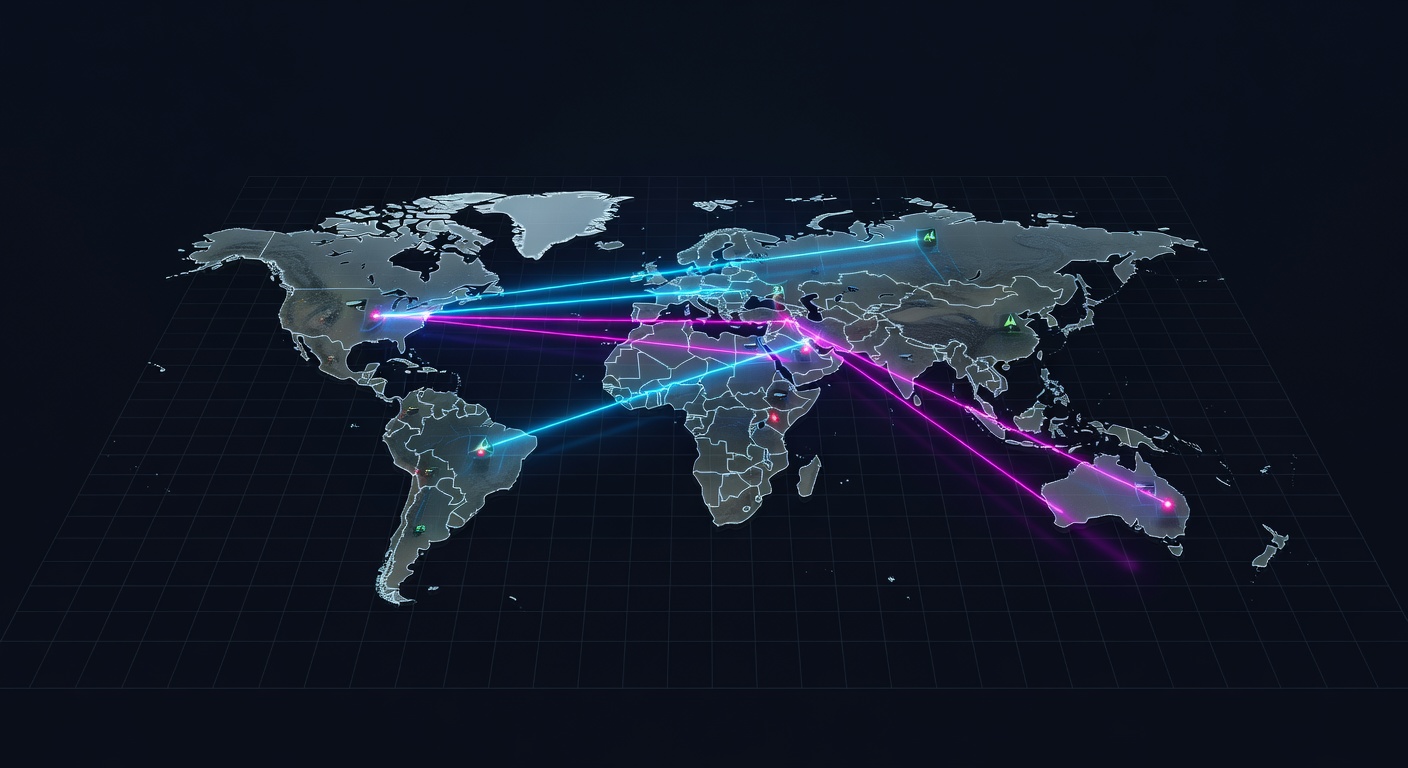
Iran's Cyber-Kinetic War Doctrine Takes Shape: Hacking Cameras to Plan Missile Strikes
The boundaries between cyberspace and physical warfare are rapidly dissolving as Iran demonstrates an increasingly sophisticated approach to cyber-kinetic operations. Intelligence reports reveal that Iranian state-sponsored groups have been systematically compromising IP cameras and surveillance systems to gather reconnaissance for missile strikes against enemy targets, marking a concerning evolution in modern warfare tactics.
Background: The Convergence of Cyber and Physical Warfare
Iran's cyber-kinetic doctrine represents a fundamental shift from traditional concepts of warfare, where cyber operations were primarily focused on disruption, espionage, or psychological operations. Instead, Tehran has developed an integrated approach where cyber intrusions directly enable and enhance kinetic military actions. This methodology transforms everyday connected devices into intelligence-gathering assets for conventional weapons targeting.
The Islamic Revolutionary Guard Corps (IRGC) and affiliated groups have been observed utilizing compromised surveillance infrastructure across multiple conflict zones, particularly in regions where Iran maintains proxy relationships or direct military interests. These operations demonstrate a level of strategic planning that bridges the gap between cyber capabilities and conventional military objectives.
This approach builds upon Iran's established cyber warfare capabilities, which have previously included attacks on critical infrastructure such as the 2019 targeting of U.S. government systems and the ongoing campaigns against Israeli water treatment facilities. However, the integration of cyber reconnaissance with kinetic strike planning represents a new level of operational sophistication.
Technical Analysis: How the Operation Works
Iranian cyber operators employ a multi-stage approach to weaponize compromised surveillance systems for military intelligence gathering. The process typically begins with identifying vulnerable IP cameras and surveillance networks in strategic locations through automated scanning tools and open-source intelligence gathering.
Once targets are identified, attackers exploit known vulnerabilities in camera firmware or use default credentials that remain unchanged by end users. Many IP cameras ship with weak default passwords or contain unpatched security flaws that provide easy entry points for skilled operators. Iranian groups have been particularly effective at exploiting these weaknesses across different manufacturer platforms.
After gaining access, the compromised cameras serve multiple intelligence functions. Real-time video feeds provide current situational awareness of target areas, including personnel movements, security patterns, and physical infrastructure layouts. Historical footage stored on compromised systems can reveal routine activities and identify optimal timing for potential strikes.
The collected intelligence is then integrated into targeting packages for missile systems, including Iran's growing arsenal of precision-guided munitions. GPS coordinates extracted from camera metadata, combined with visual confirmation of targets, significantly enhance strike accuracy compared to traditional intelligence methods.
Furthermore, compromised camera networks can monitor the effectiveness of strikes in real-time, providing battle damage assessment without risking human intelligence assets or additional surveillance platforms. This closed-loop system creates a comprehensive cyber-enabled kinetic warfare capability.
Strategic Impact and Global Implications
Iran's cyber-kinetic integration has profound implications for regional stability and global security dynamics. By lowering the barriers between cyber operations and physical attacks, this doctrine blurs traditional escalation thresholds and creates new challenges for international law and diplomatic responses.
The approach provides Iran with several strategic advantages. First, it enables more precise targeting of enemy assets while minimizing collateral damage, potentially reducing international backlash from kinetic operations. Second, the cyber component provides plausible deniability, as attributing camera compromises to state actors requires significant technical investigation.
Regional adversaries, particularly Israel and Saudi Arabia, now face threats that combine cyber vulnerabilities with conventional military capabilities. Critical infrastructure operators in these nations must simultaneously defend against cyber intrusions while recognizing that successful breaches could directly enable physical attacks on their facilities.
The doctrine also demonstrates how authoritarian regimes can leverage civilian digital infrastructure for military purposes, raising questions about the protection of neutral digital assets during conflicts. Surveillance cameras in hotels, businesses, and public spaces become potential military assets, complicating efforts to maintain civilian protection in modern warfare.
International implications extend beyond the Middle East, as this model could be adopted by other state actors seeking to enhance their military capabilities through cyber means. The relatively low cost and high effectiveness of this approach make it attractive to nations with limited conventional military resources but strong cyber capabilities.
How to Protect Yourself
Organizations and individuals can take several concrete steps to prevent their surveillance systems from being exploited for military intelligence gathering:
Immediate Actions: Change all default passwords on IP cameras and surveillance systems immediately upon installation. Use strong, unique passwords that combine letters, numbers, and special characters. Enable two-factor authentication where available.
Regular Maintenance: Establish a routine for updating camera firmware and security patches. Many manufacturers release security updates that address known vulnerabilities, but these patches are only effective when installed. Create an inventory of all connected surveillance devices and monitor manufacturer security bulletins.
Network Segmentation: Isolate surveillance systems on separate network segments from critical business systems. This limits potential damage if cameras are compromised and prevents lateral movement to more sensitive systems. Implement network monitoring to detect unusual traffic patterns from surveillance devices.
Access Controls: Regularly audit who has access to surveillance systems and remove unnecessary user accounts. Limit remote access capabilities and require VPN connections for external monitoring. Consider disabling internet connectivity entirely for cameras that only need local monitoring.
Physical Security: Protect the physical security of surveillance equipment to prevent tampering. Consider the strategic implications of camera placement in sensitive areas and whether feeds could provide valuable intelligence to adversaries.