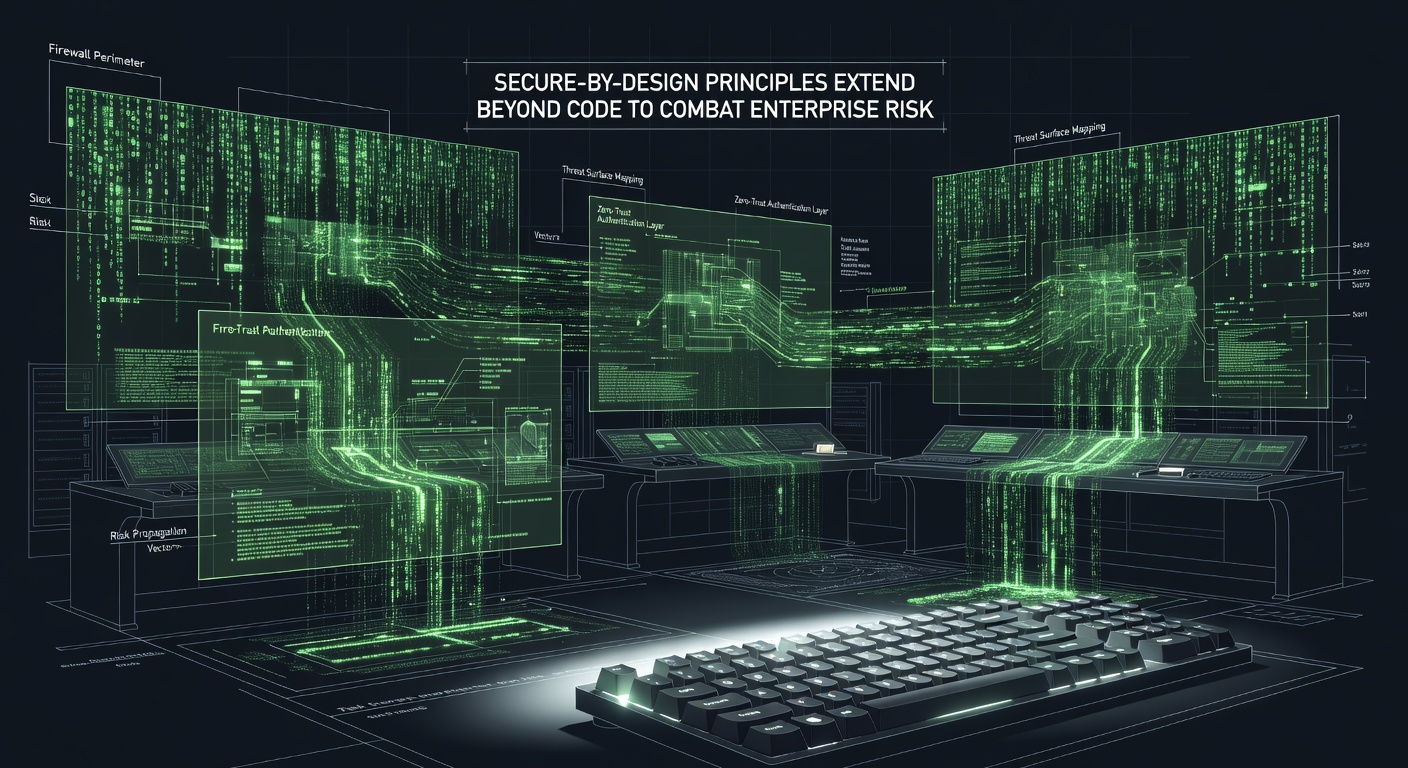
Secure-by-Design Principles Extend Beyond Code to Combat Enterprise Risk
Organizations are discovering that software development's secure-by-design methodologies can effectively address non-technical business risks, from governance failures to human error incidents that plague modern enterprises.
Traditional cybersecurity frameworks focus heavily on technical vulnerabilities, but enterprises face equally damaging risks from operational missteps, compliance failures, and process breakdowns. Security professionals are now adapting proven development practices—including threat modeling, automated testing, and continuous integration—to strengthen organizational resilience across all business functions.
The approach mirrors how developers build security into software from the ground up rather than bolting it on later. Companies are implementing similar "security-first" thinking in areas like vendor management, employee onboarding, and regulatory compliance processes.
Key practices being adapted include:
- Threat modeling for business processes to identify potential failure points before they occur
- Automated compliance checks that mirror continuous integration pipelines
- Version control systems for policy documents and procedure updates
- Code review equivalents for critical business decisions and process changes
"We're seeing organizations treat their business processes with the same rigor they apply to their software," industry analysts note. This includes implementing rollback procedures for policy changes and establishing clear approval workflows that prevent unauthorized modifications to critical processes.
The methodology proves particularly effective for addressing human error, which remains a leading cause of security incidents. By building checks and balances directly into workflows—similar to how secure coding practices prevent common vulnerabilities—organizations can reduce the likelihood of costly mistakes.
Early adopters report improved incident response times, better regulatory compliance scores, and reduced operational risk exposure. The approach also helps break down silos between development, security, and business teams by establishing common frameworks for risk management.
As enterprises face increasing regulatory pressure and sophisticated threat landscapes, borrowing from software development's mature security practices offers a practical path forward for comprehensive risk management beyond traditional IT boundaries.